SF23 23 kgf turbojet engine
SF Series · New

SF23

20–23 kgf / 196.1–225.6 N Class · 46,000–108,000 rpm

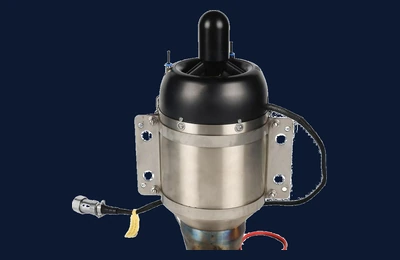
23 kgf from a Ø206 mm case, 3.1 kg net, shipped as a documented kit — engine, ECU with integral pump, GSU, full harness, fuel filter, four fuel lines and spares. The RS-232 protocol is published and the ECU keeps the two hours of data before any fault, with the analysis software in the box.

23 kgf
Max Thrust
225.6 N
Rated Force
3.1 kg
Net Weight
7.4:1
T/W (net)
108,000
Max RPM
Ø206 mm
Max Diameter
Specifications

23 kgf, and the paperwork to go with it

Figures as published by the manufacturer. Where the parameter sheet and the outline drawing disagree — and on this engine two of them do — both numbers are shown and the source of each is named.

Thrust & Speed

  • Rated Thrust20 – 23 kgf / 196.1 – 225.6 N
  • Thrust Variation±2 – 3 % with ambient conditions
  • Speed Range46,000 – 108,000 rpm
  • Start Time50 s to idle
  • Acceleration< 8 s
  • Deceleration< 9 s
  • Design PointH = 0 km, Ma = 0, 15 °C, 101,325 Pa
  • Thrust-to-Weight (net)7.4 : 1
  • Thrust-to-Weight (installed)4.8 : 1

Dimensions & Mounting

  • Overall Length (drawing)334.5 ± 2 mm
  • Overall Length (parameter sheet)330 ± 2 mm
  • Body Diameter (drawing)Ø206 mm
  • Body Diameter (parameter sheet)130 mm
  • Rear Face DiameterØ192 mm
  • Inlet DiameterØ45 mm
  • Exhaust OuterØ147 mm
  • Exhaust InnerØ95.6 mm · nozzle Ø71 mm
  • Mounting Pattern4 × Ø6 mm holes, 101 mm × 131 mm
  • Net Weight3.1 kg
  • Installed Weight4.8 kg

Airflow & Envelope

  • Mass Flow0.8 kg/s
  • Exhaust Velocity400 – 550 m/s
  • Rated Exhaust Temperature850 °C
  • Operating Temperature−40 to +50 °C
  • Operating Altitude0 – 8,000 m
  • Maximum Start Altitude4,000 m
  • Mach Range0 – 0.8

Fuel System

  • FuelAviation kerosene
  • Lubricant3 – 5 % by volume, mixed in the fuel
  • Fuel Flow at Maximum Thrust524 g/min
  • Fuel PumpIntegral to the ECU
  • Fuel FilterSupplied, one per set
  • Fuel LinesFour, supplied

Electrical & Control

  • Supply Voltage24 V DC
  • Start ModeOne-touch electronic start
  • Throttle SignalPWM, 1 – 2 ms, 3.3 V or 5 V logic
  • Start Switch SignalPWM, 1 – 2 ms
  • TelemetryRS-232, 9,600 – 57,600 bps
  • Telemetry ChannelsSpeed, throttle, pump voltage, engine state, error codes
  • ProtocolOpen — full frame description supplied
  • Flight Controller LinkRS-232 to flight controller harness included

Data Logging & Kit Contents

  • Fault Recording2 hours of data before the fault
  • Recorded ChannelsSpeed, throttle, pump voltage, state, errors
  • Analysis SoftwareSupplied with the engine
  • Kit ContentsEngine · ECU with pump · GSU · harness set · power cord · spares · fuel filter · 4 fuel lines
  • Service Interval25 h
  • Accessory ListPublished in full, item by item
What Sets It Apart

The documentation is the product

On thrust alone this engine sits in the 22 to 24 kgf band and is heavier than the lightest units in it — we are not going to dress that up. What it does better is tell you everything up front: what is in the box, what the ECU says on the wire, and what it recorded before it stopped.

A complete kit, itemised

Engine, ECU with the fuel pump built in, GSU, throttle and start-stop leads, GSU lead, RS-232 to flight controller lead, engine power cord, spare parts, fuel filter and four fuel lines. Eight line items, all published — not "accessories available on request".

Open RS-232 protocol

The serial link runs 9,600 to 57,600 bps and the frame description is released, so your flight controller reads speed, throttle, pump voltage, engine state and error codes directly. No reverse engineering, no proprietary gateway.

Two hours before the fault

The ECU keeps a rolling two-hour record and stops writing at the fault, so the lead-up to a shutdown survives. The analysis software ships with the engine — you open the log and read what happened, instead of guessing at a post-mortem.

50 s to idle, under 8 s to full

One-touch electronic start, 50 seconds to idle, then less than 8 seconds from idle to full thrust and less than 9 seconds back down. Published acceleration figures, not a range.

8,000 m ceiling, 4,000 m start

Operating envelope from sea level to 8,000 m and Mach 0.8, with a published 4,000 m limit on where it can be started. Two numbers that decide whether a high-altitude launch is possible at all.

25 h service interval

Same 25-hour interval as the rest of the SF and SW ranges, so maintenance planning does not change when you add this engine to a mixed fleet.

Applications

Where 23 kgf fits

A 200 mm class engine with a documented serial link suits platforms where the integration work matters as much as the thrust.

High-speed UAV

Mach 0.8 envelope and 0.8 kg/s mass flow for cruise vehicles in the 20 to 30 kg thrust band.

Target and training drones

Repeatable 50-second starts and a published fault log make turnarounds between sorties predictable.

Test and research platforms

Open RS-232 plus two-hour recording gives a research team raw data without adding instrumentation.

Mixed-fleet integration

Same 25 h service interval and same fuel specification as the rest of the range, so ground support does not change.

Export status

23 kgf is 225.6 N — 56 % of the 400 N threshold in entry 9A012.b.3 of the Chinese dual-use export control list. The SF23 sits below that threshold and is not a controlled item. It is still quoted only with the destination country and intended use declared, in line with how we handle every engine in the range. End-use statements and diversion clauses apply as standard.

Questions

Answers, including the awkward ones

Two figures in the manufacturer's own documentation do not agree with each other. Both are shown below and on the specification table rather than one being quietly dropped.

What is 23 kgf in newtons?

23 kgf is 225.6 N at standard gravity. The engine is rated across a 20 to 23 kgf band, which is 196.1 to 225.6 N, with ±2 to 3 % variation against ambient conditions.

The parameter sheet says 130 mm diameter but the drawing shows Ø206 mm. Which is correct?

Both come from the manufacturer's documentation. 130 mm appears in the parameter table; Ø206 mm is the body diameter dimensioned on the outline drawing, with Ø192 mm at the rear face and Ø147 mm at the exhaust. We publish both rather than pick one, because Ø206 mm is the figure that governs airframe clearance while 130 mm may refer to the inlet or to an internal flow path. For sizing, use Ø206 mm. We confirm the envelope against the drawing before shipment and will issue a signed dimension sheet for your airframe.

Length is 330 mm in one place and 334.5 mm in another. Which do I design to?

Design to 334.5 ± 2 mm. That is the dimensioned overall length on the outline drawing; 330 ± 2 mm is the parameter table figure and sits within 4.5 mm of it. Neither number includes the fuel or electrical connectors, so allow clearance behind the rear face for both.

Why are there two weights, 3.1 kg and 4.8 kg?

3.1 kg is the engine alone. 4.8 kg is the installed weight — engine plus ECU, pump, valves, tubing and harness. Airframe and landing-gear sizing should use 4.8 kg; thrust-to-weight is 7.4 : 1 on the net figure and 4.8 : 1 on the installed figure.

How does the SF23 compare with other 22 to 24 kgf engines?

At 22 to 24 kgf the trade-off is airframe volume against how much of the engine is documented. The SF23 is 3.1 kg net in a Ø206 mm case — heavier and wider than the lightest units in this band, and we say so plainly. What it gives back is the paperwork: the itemised eight-line kit, the open RS-232 frame description, the two-hour fault log with analysis software, published acceleration and deceleration times, and a 4,000 m start altitude. If your airframe is tight on volume, send us the envelope and the model you are comparing and we will return a line-by-line table. If you are integrating against a flight controller and need the protocol and the log before you commit, this is the one.

Is the accessory list standard, or an extra?

Standard. The set ships with the engine, the ECU with the fuel pump built in, the GSU, the throttle and start-stop leads, the GSU lead, the RS-232 to flight controller lead, the engine power cord, spare parts, the fuel filter and four fuel lines. Eight line items, all included.

How do I get the RS-232 protocol?

It is released with the engine. The link runs at 9,600 to 57,600 bps and carries speed, throttle, pump voltage, engine state and error codes. Tell us which flight controller you are using and we will send the frame description ahead of the order so you can write the parser before the hardware lands.

What does the two-hour fault record actually contain?

The ECU writes continuously and freezes two hours of history at the moment of a fault. Speed, throttle, pump voltage, engine state and error codes are all in the log, and the analysis software that reads it ships with the engine. In practice it turns a shutdown from a guess into a timeline.

Can it be started at altitude?

Up to 4,000 m. The engine will operate between sea level and 8,000 m at up to Mach 0.8, but the published start limit is 4,000 m, so an air-launch above that altitude needs the engine already running.

Is the SF23 export controlled?

No. At 225.6 N it is well below the 400 N threshold in entry 9A012.b.3 of the Chinese dual-use export control list. We still require the destination country and intended use before quoting, and we do not ship against a bare purchase order.
Request the SF23 datasheet

Parameter sheet, outline drawing, wiring diagram, fuel piping layout and the RS-232 frame description. Tell us the airframe and the destination country and we will confirm lead time and shipping terms.

Email WhatsApp